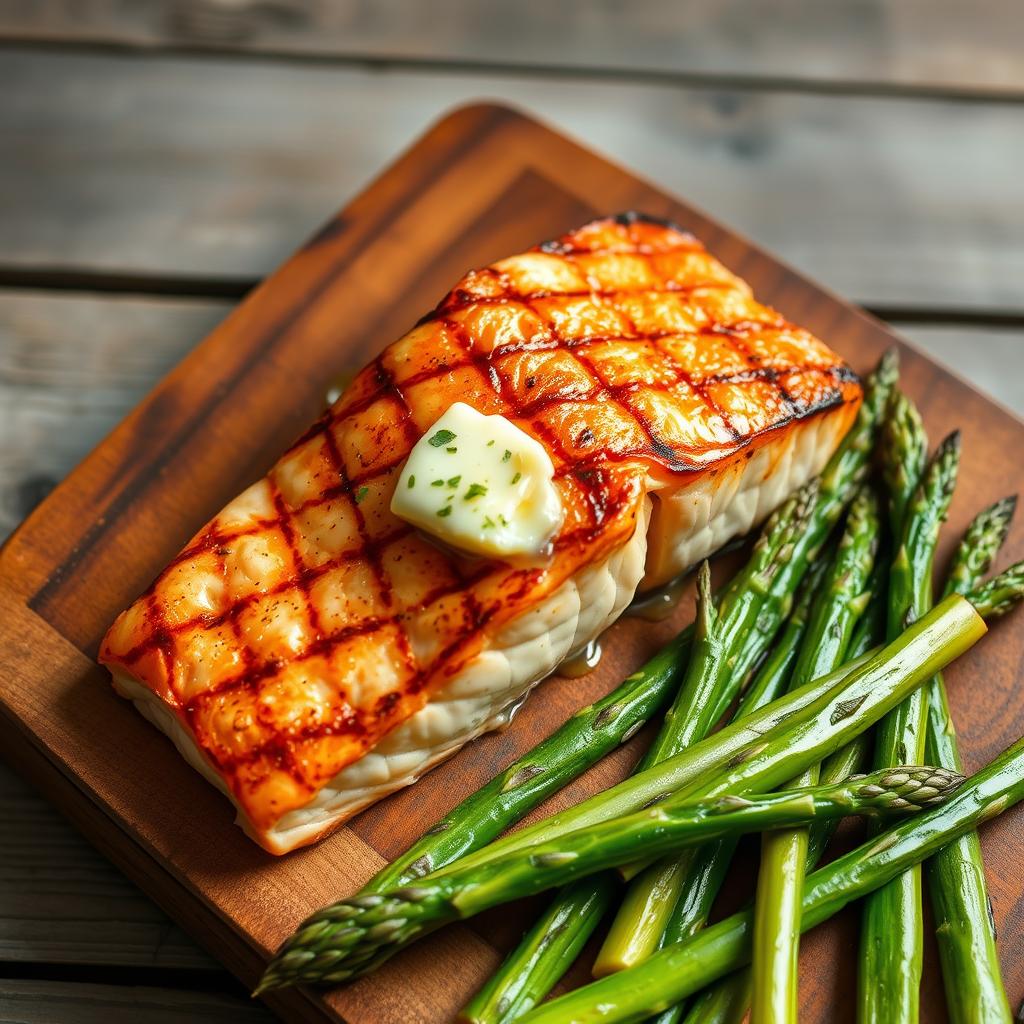
Grilled Salmon Recipe: The Perfect Grilled Salmon for a Healthy Meal
Summer evenings bring to mind the sound of grilled salmon on the barbecue. As someone who loves cooking healthy meals, I’ve found that grilled salmon is more than just tasty. It’s a way to make a meal that’s good for you.
Think about turning a simple fish into a dish that’s full of flavor and health benefits. Your grilled salmon can be more than dinner. It’s a step towards better health, packed with nutrients.
Grilling salmon is easy. With the right steps and ingredients, you can make a dish that’s both tasty and healthy. This recipe is great for anyone, whether you’re experienced in the kitchen or just starting out. It will help you make healthier, vibrant meals.
Key Takeaways
- Grilled salmon offers exceptional nutritional value
- Easy to prepare with minimal cooking skills
- Rich in heart-healthy omega-3 fatty acids
- Quick meal option for busy households
- Versatile dish that can be customized with different seasonings
Benefits of Cooking Salmon on the Grill
Grilling salmon turns a simple meal into a healthy and tasty treat. This method is great for those who want quick, flavorful meals. It’s perfect for health-conscious cooks.
Heart-Healthy Omega-3 Benefits
Salmon is a nutritional superstar, full of omega-3s that are good for your heart. Grilling keeps these fats safe while making the salmon taste amazing. You get important nutrients without losing flavor.
- Supports heart health
- Reduces inflammation
- Promotes brain function
- Maintains healthy cholesterol levels
Quick and Easy Preparation
Grilled salmon is quick to make, ready in just 15 minutes. It’s like a restaurant-quality dish for your family, saving you time. It’s simple to prepare, making it a great choice for busy weeknights.
Superior Smoky Flavor Profile
Grilling brings out salmon’s natural flavors in a unique way. The high heat makes the outside crispy and the inside tender. This creates a smoky taste that’s unmatched by other cooking methods.
| Cooking Method | Flavor Intensity | Preparation Time |
|---|---|---|
| Grilling | High | 15 minutes |
| Baking | Medium | 25 minutes |
| Pan-Frying | Medium | 20 minutes |
Grilling is the best way to enjoy salmon’s full flavor. It makes a meal that’s both nutritious and incredibly tasty.
Essential Ingredients for Perfect Grilled Salmon
To make the perfect grilled salmon, start with top-notch fish and the right ingredients. The quality of your salmon fillets is key. It turns your meal into a true culinary delight.
Choose salmon that’s vibrant in color and firm to the touch. Opt for skin-on fillets for grilling. They keep the fish moist and prevent it from sticking to the grill.
Key Ingredients for Delicious Salmon
- Fresh salmon fillets (preferably skin-on)
- Extra virgin olive oil
- Kosher salt
- Freshly ground black pepper
Essential Seasoning for Salmon
Seasoning can take your salmon from good to great. A mix of herbs and spices adds depth and complexity to the flavor.
| Ingredient | Quantity | Purpose |
|---|---|---|
| Garlic powder | 1 tsp | Adds savory depth |
| Dried parsley | 1/2 tsp | Provides herbal notes |
| Dried minced onion | 1/2 tsp | Enhances overall flavor |
| Dried basil | 1/4 tsp | Brings aromatic complexity |
Pro tip: Always use fresh, high-quality ingredients for the best grilled salmon. Keep your spices in a cool, dark spot. It helps keep their flavor strong.
The Ultimate House Seasoning Blend
Making your own seasoning blend can take your grilled salmon to the next level. It turns a simple meal into a feast with just a few ingredients.
Making Your Own Seasoning Mix
Creating a seasoning mix is easy but packs a big punch in flavor. Start with top-notch dried herbs and spices that match salmon’s rich taste.
- Choose fresh, high-quality dried herbs
- Measure ingredients precisely
- Mix thoroughly to distribute flavors
Perfect Proportions Guide
| Ingredient | Amount | Purpose |
|---|---|---|
| Garlic Powder | ¼ cup | Adds depth and aroma |
| Kosher Salt | ¼ cup | Enhances overall flavor |
| Dried Parsley | ¼ cup | Provides fresh herb notes |
| Dried Minced Onion | ¼ cup | Introduces subtle sweetness |
| Dried Basil | ¼ cup | Brings Mediterranean flair |
Storage and Versatility Tips
Keep your seasoning in an airtight container in a cool, dark spot. It stays fresh for up to 6 months. Use it on chicken, veggies, and other seafood too.
- Use glass jars with tight-fitting lids
- Keep away from direct sunlight
- Label with the date of preparation
By making your own salmon spice blend, you open up a world of flavors. You’ll enjoy fresh, vibrant tastes every time you cook.
Preparing Your Salmon for the Grill
Salmon prep is key to a tasty grilled dish. Before cooking, make sure your salmon is ready for the grill. Follow some important pre-grilling steps.

Start by picking a top-quality salmon fillet. Dry the fish with paper towels to get rid of extra moisture. This step is vital for the right texture and helps seasoning stick better.
- Remove any pin bones using tweezers
- Slice the salmon into individual portions for even cooking
- Use a sharp knife to ensure clean cuts
Seasoning is essential for great-tasting grilled fish. Rub the flesh side with olive oil to prevent sticking and get a crispy outside. Sprinkle your favorite seasoning blend all over the surface.
| Preparation Step | Purpose | Timing |
|---|---|---|
| Pat dry | Remove moisture | 5 minutes before seasoning |
| Oil surface | Prevent sticking | Immediately before seasoning |
| Apply seasoning | Enhance flavor | 15-30 minutes before grilling |
Pro tip: Let the seasoned salmon rest at room temperature for about 15 minutes before grilling. This ensures even cooking and lets flavors soak into the fish.
By taking these steps, you’ll get a perfectly grilled salmon. It will be full of flavor and cooked just right.
Grilled Salmon Recipe: Step-by-Step Instructions
Grilling salmon to perfection takes skill and knowledge of key techniques. This guide will help you make moist, flavorful, and top-notch grilled salmon.
Starting with the right tools and knowing how to control temperature is key. Your grilling steps will decide if your salmon is dry or delicious.
Proper Temperature Control
For the best salmon, aim for a medium heat of 350°F to 400°F. This range ensures:
- A crispy outside with great grill marks
- A tender, moist inside
- Even cooking all through the fish
Timing and Flipping Techniques
Grilling salmon needs precision. Here’s how to get it right:
- Start with salmon skin-side up
- Grill for about 5 minutes
- Flip carefully with a wide spatula
- Cook the other side for another 5 minutes
Testing for Doneness
Knowing when your salmon is done is key to avoid overcooking. Use these checks:
- Visual cue: It should look opaque and flake easily with a fork
- Internal temperature: Aim for 145°F at the thickest part
- Look for slight translucency in the center
By following these detailed steps, you’ll turn your salmon into a showstopper. You’ll impress everyone with your cooking skills.
Different Types of Salmon for Grilling
Choosing the right salmon for grilling can make a big difference. Each type has its own taste and texture. Knowing these differences helps you pick the best one for your grill.

Wild-caught and farmed salmon have different flavors and textures. This affects how they grill. Let’s look at the most popular types:
- King (Chinook) Salmon: The top choice for grilling, with a rich, buttery taste and lots of fat
- Sockeye (Red) Salmon: Lean and firm, great for those who prefer less fat
- Coho (Silver) Salmon: Has a mild taste, perfect for beginners
- Pink Salmon: Lighter texture, best for quick grilling
- Chum Salmon: Less expensive, works well with bold marinades
Choosing between wild and farmed salmon is also important. Wild salmon tastes better and is healthier. But farmed salmon is more affordable and consistent.
| Salmon Type | Fat Content | Flavor Intensity | Best Grilling Method |
|---|---|---|---|
| King Salmon | High | Rich | Direct heat, medium temperature |
| Sockeye Salmon | Low | Moderate | Quick, high-heat grilling |
| Coho Salmon | Medium | Mild | Indirect heat |
Your choice depends on what you like, your budget, and how you grill. Try different types to find your favorite way to grill!
Expert Tips for Perfect Grilled Salmon
Grilling salmon can be tricky, but with the right tips, you’ll make a delicious meal. Chefs and home cooks know how to make moist salmon with crispy skin.
To master grilled salmon, pay attention to detail and learn a few key techniques. Here are expert strategies to improve your salmon grilling:
Preventing Sticking Issues
- Clean your grill grates well before cooking
- Brush grates with high-heat oil like canola or grapeseed
- Pat salmon dry with paper towels to reduce moisture
- Let salmon sit at room temperature for 15 minutes before grilling
Maintaining Moisture
Keeping salmon moist is key for a tender, delicious result. Try these moisture-preserving techniques:
- Use a light marinade before grilling
- Grill salmon at medium-high heat (around 400-450°F)
- Avoid overcooking by using a meat thermometer
- Remove salmon from heat when internal temperature reaches 145°F
Achieving Crispy Skin
For crispy salmon skin, follow these tips:
- Start with skin-on salmon fillets
- Place skin-side down on the grill first
- Cook skin without moving for 4-5 minutes
- Use indirect heat to prevent burning
By using these expert techniques, you’ll make your grilled salmon amazing. You’ll have a restaurant-quality meal at home.
Best Side Dishes for Grilled Salmon
Choosing the right side dishes can make your grilled salmon unforgettable. It’s all about finding flavors that work well together. This creates a balanced and tasty meal that will impress your taste buds.
When picking healthy sides for your grilled salmon, consider these tasty options. They not only taste amazing but also add extra nutrients:
- Fresh Salads
- Mixed greens with lemon vinaigrette
- Cucumber tomato onion salad
- Classic Caesar salad
- Vegetable Sides
- Roasted yellow squash
- Sautéed zucchini
- Southern-style green beans
- Baked ratatouille
- Starchy Accompaniments
- Grilled potatoes
- Skin-on mashed red potatoes
- Charleston red rice
- Potato pancakes
To make your salmon dish even better, mix different textures and flavors. Light, fresh sides can balance the rich taste of grilled salmon.
| Side Dish Category | Flavor Profile | Preparation Time |
|---|---|---|
| Fresh Salads | Light, Tangy | 10-15 minutes |
| Vegetable Sides | Savory, Earthy | 15-25 minutes |
| Starchy Accompaniments | Hearty, Comforting | 20-30 minutes |
The best side dishes enhance the salmon’s flavor and add nutrients to your meal. Try different combinations to find your favorite!
Storage and Leftover Guidelines
Learning how to store salmon leftovers can make your grilled fish last longer. Storing it right keeps its taste and nutrients intact.
For storing cooked salmon, refrigeration is essential. Put your leftovers in an airtight container within two hours of cooking. The U.S. Food and Drug Administration says to keep it refrigerated for no more than two days to keep it safe and tasty.
- Refrigerate salmon at 40°F or below
- Use shallow containers to help cool the fish quickly
- Cover the salmon tightly to prevent moisture loss
When reheating salmon, be gentle to avoid drying it out. The best ways include:
- Gentle oven reheating at 275°F for about 15 minutes
- Using a microwave with a damp paper towel to retain moisture
- Avoiding repeated reheating to maintain texture
Freezing is great for longer storage. Salmon leftovers can be frozen for 4-6 months if wrapped right. Pro tip: Use freezer-safe containers or vacuum-sealed bags to prevent freezer burn.
When you’re ready to thaw your frozen salmon, do it safely in the fridge or cold water. Never leave it at room temperature, as it can grow bacteria.
Troubleshooting Common Grilling Issues
Grilling salmon can be tricky, even for experienced chefs. Knowing how to handle common grilling problems is key to perfect salmon every time.
Identifying and Managing Grill Hot Spots
Grill hot spots can cause uneven cooking and ruin your salmon. To prevent grilling problems, follow these strategies:
- Use a laser thermometer to map your grill’s temperature zones
- Rotate salmon fillets midway through cooking
- Create indirect heat areas for more controlled cooking
Preventing Salmon Overcooking
Fixing grilled salmon that’s dry requires prevention. Watch your cooking time carefully and use these techniques:
- Use a meat thermometer to check internal temperature
- Remove salmon from heat when it reaches 135°F
- Let the fish rest for 3-5 minutes to complete cooking
Resolving Seasoning Challenges
Seasoning mistakes can happen to anyone. Here’s a quick guide to rescue your dish:
| Seasoning Issue | Solution |
|---|---|
| Over-salted | Add citrus juice or create a complementary sauce |
| Under-seasoned | Use a fresh herb garnish or quick pan sauce |
Pro tip: Always taste and adjust seasonings before serving your grilled salmon to ensure a delicious meal.
Conclusion
Learning to grill salmon opens up a world of healthy cooking. You now know how to turn this nutritious fish into a tasty meal. It’s perfect for impressing family and friends.
Grilled salmon is more than just healthy food. It’s about making special dining moments with little effort. You can now make restaurant-quality dishes in your backyard.
Start experimenting with marinades and grilling methods. This will help you find your own cooking style. Remember, each time you grill, you’ll get better.
Grilling salmon is not just cooking. It’s a way to enjoy healthier, tastier meals. Your new skills will impress everyone and add a nutritious option to your meals. So, get ready to grill, enjoy, and savor!